
Understanding Root Canal Treatment
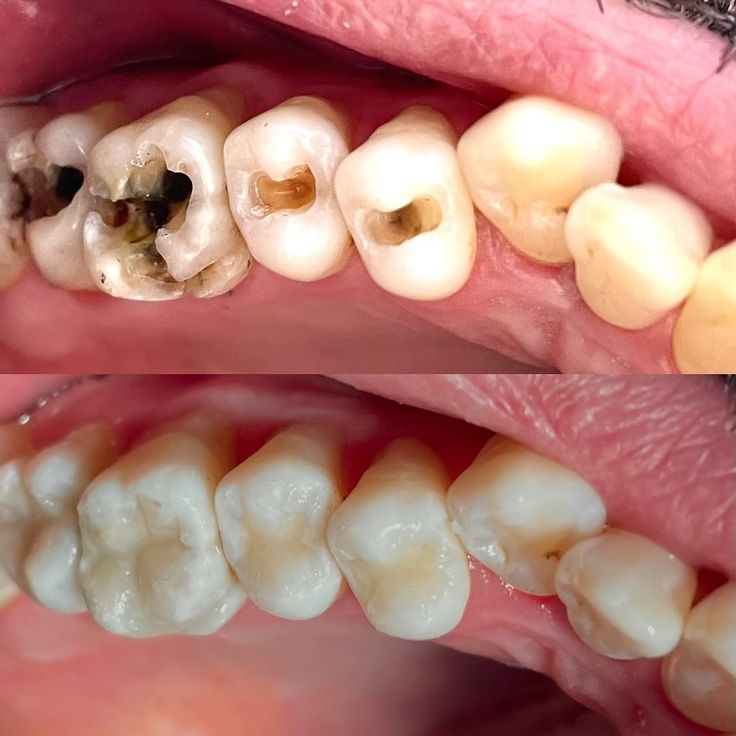
A root canal is needed when the soft pulp inside a tooth becomes infected or inflamed — usually from deep decay, a cracked tooth or repeated dental work. Without treatment the infection spreads, leading to severe pain, swelling and eventual loss of the tooth. The good news is that a root canal saves the tooth and stops the pain almost immediately.
Modern techniques have made root canal treatment routine and comfortable. We numb the area thoroughly, gently remove the infected pulp, clean and shape the inner canals, then seal them to prevent re-infection. Most patients tell us it feels no different from having a filling, and many sleep that night without pain for the first time in weeks.
After the canal is sealed, a crown is usually placed to protect the tooth and restore full chewing strength. With good oral hygiene a root-canal-treated tooth can last a lifetime — far better than extraction, which leads to bone loss and the need for an implant or bridge.
The most important result is keeping your natural tooth. Early treatment can stop infection, restore chewing comfort and prevent the gap that follows extraction.
Related dental services and guides
Frequently Asked Questions
Can a root canal stop tooth pain?+
Yes. Removing infected pulp and sealing the canals is designed to stop pain and control infection.
Is extraction better than root canal treatment?+
When a tooth can be saved, root canal treatment is usually preferred because it preserves natural chewing and avoids a missing-tooth gap.
Will I need a crown after treatment?+
Back teeth and heavily damaged teeth often need crowns to restore strength after root canal treatment.
Ready to take action on your smile?
Book a consultation with the Lebanon Dental Care team today, or call our emergency line for urgent dental pain.